
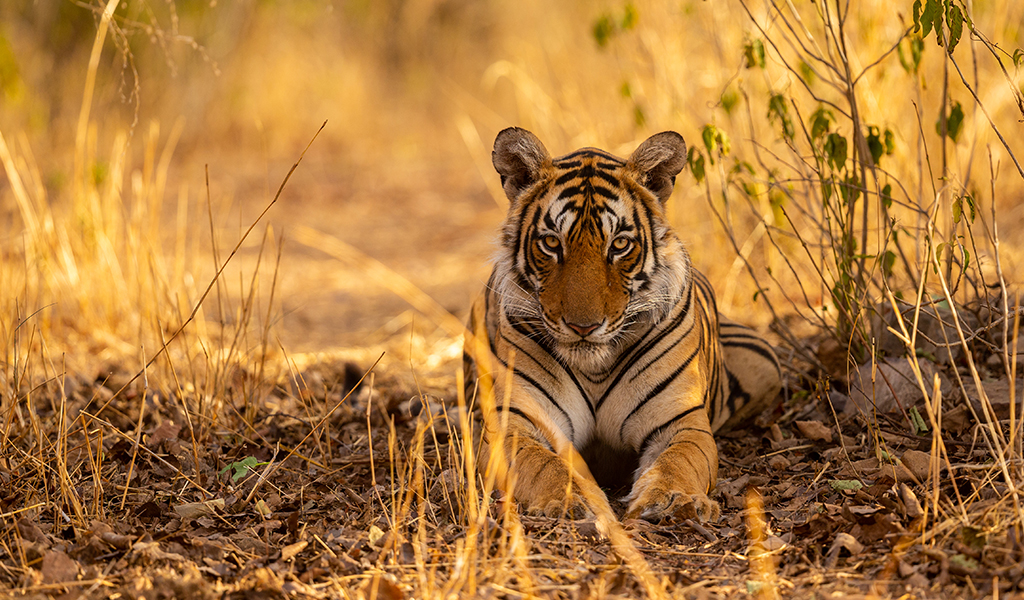
India has always been a land of diversity—diverse cultures, languages, and most importantly, wildlife. Ever since I was young, I’ve been fascinated by the natural world around me. My family loves to travel, and some of my best memories are from trips where we explored the jungle, stayed amidst the trees, and witnessed wildlife in its most natural, untamed state. There’s something incredibly peaceful about being surrounded by nature. The rustling of leaves, the chirping of birds, and the occasional roar of a tiger—it makes you feel connected to the world in a way nothing else does. Every time I step into a forest, I feel at home, and it’s this love for nature that drives me to talk about the urgent need to conserve our wildlife and forests.
Growing up in a family that values travel, I’ve had the chance to explore several national parks and wildlife sanctuaries across India. From the dense forests of Madhya Pradesh to the serene backwaters of Kerala, the beauty of India’s wildlife is unmatched. I’ve seen tigers, elephants, and many other animals in their natural habitat. But with each passing year, I’ve also noticed that these forests are shrinking, and the animals are becoming fewer in number. It’s heartbreaking to think that future generations may not get to experience the wildlife that I’ve been lucky enough to see.
One of the biggest challenges we face today is deforestation. Forests are being cut down at an alarming rate to make way for urbanization, agriculture, and industries. This is not just taking away the homes of countless species; it’s also disturbing the delicate balance of nature. Trees are essential for maintaining the health of our planet. They help absorb carbon dioxide, provide oxygen, and prevent soil erosion. Without them, the soil becomes loose and unproductive, which leads to problems like floods, droughts, and poor agricultural yields. Deforestation is a serious issue that we must address if we want to protect our planet for future generations.
During my time at Sankriti School, we’ve had lessons about the importance of wildlife conservation, and it’s a subject I’ve always loved learning about. We’ve studied how animals and plants are interdependent, how they maintain the ecological balance, and how human activities have put immense pressure on these delicate ecosystems. The more I learned, the more I realized how much we, as a society, need to change our behavior. It’s not just about saving animals; it’s about saving ourselves and ensuring a sustainable future for the planet.
The need for wildlife conservation has never been more urgent. We must act now to protect our forests, wildlife, and the ecosystems that sustain us. But it’s not just about government policies or international efforts—it’s about all of us. Each one of us has a role to play. Whether it’s planting trees, reducing our carbon footprint, or supporting organizations that protect wildlife, every small action counts.
I dream of a future where India’s forests thrive, where tigers roam freely, and where every child can experience the magic of the jungle, just as I have. I believe that if we all come together, we can make a difference. Let’s protect our wildlife, save our forests, and ensure that the beauty of India’s natural heritage is preserved for generations to come.
Because, in the end, we’re not just protecting trees and animals—we’re protecting our future.